Coton de Tuléar Temperament: Is It Right for Your Home? Strengths, Separation Anxiety, Barking, Intelligence and Training
The Coton de Tuléar temperament can be summed up as "a cheerful companion that wants to be with its people." The breed spent a long history as a companion dog in Madagascar, and bonding with family is at the center of its personality. This guide explains which homes suit the breed, what to watch out for and how to bring out its intelligence.

The core of the Coton's personality
- Family-centered: follows you around the house and settles next to you on the sofa.
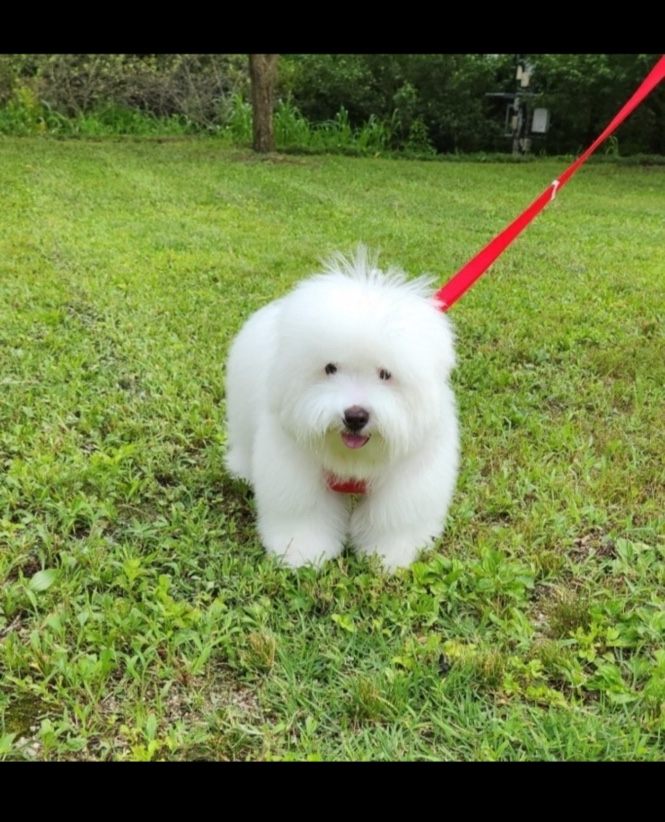
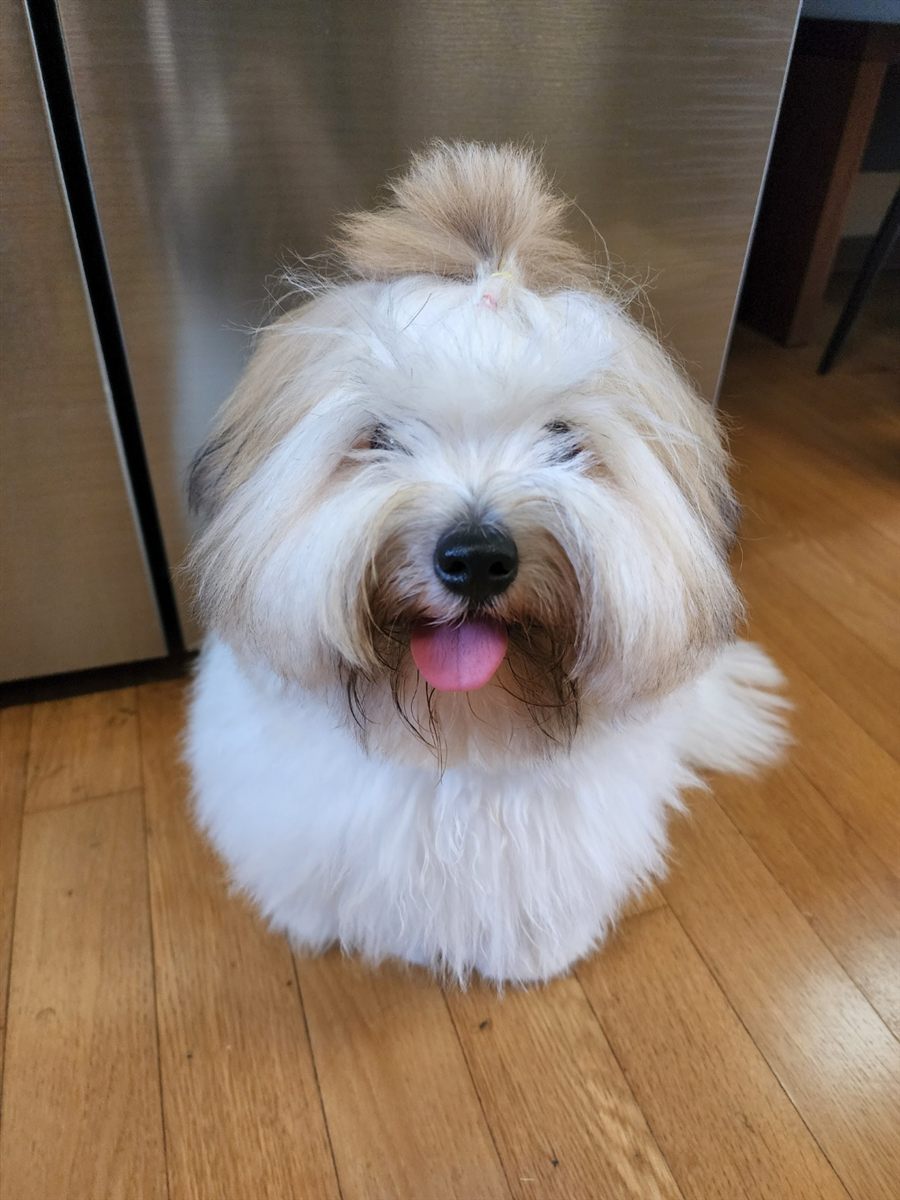
- Playful: when happy it may hop on its hind legs or zoom in circles. The American Kennel Club describes the breed as a bright, happy-go-lucky companion with a clownish streak.
- Adaptable: once it has had its walk and play, it relaxes indoors, which suits apartment life.
- Sensitive: loud voices, rough handling and scolding easily make it withdraw.
Which homes it suits
| Situation | Fit | Why |
|---|---|---|
| Someone home most of the day | Very good | Time together is what it loves most |
| Families with children | Good | Gentle, but small enough to be hurt if dropped |
| Homes with other pets | Fine with socialization | Early experiences matter |
| Everyone out 10+ hours daily | Needs preparation | Risk of separation anxiety |
| Noise-sensitive apartments | Needs training | Alert barking |
Watch-out 1: separation anxiety
Because it bonds so strongly, being left alone can be hard. Signs include barking continuously, whining at the door or chewing things when you leave.
Prevention starts in the first week:
- Begin with 1–2 minutes alone, then 5, 10, 30 minutes
- Keep departures and returns low-key; greet calmly once it settles
- Walk before you leave so it has used up energy
- Give a snuffle toy or long-lasting chew only when you leave
If symptoms are severe, consult a behavior professional or your vet. Medication is sometimes used alongside training.
Four-week practice plan
| Week | Practice | Success looks like |
|---|---|---|
| 1 | 1–5 minutes in another room | No whining at the door |
| 2 | 5–15 minutes outside the front door | Calm when you return |
| 3 | 30–60 minutes out, with a snuffle toy | Nothing destroyed |
| 4 | 2–3 hours out | Sleeping or playing alone |
If whining increases, go back a step for a few days.
Watch-out 2: barking
The breed is not a heavy barker, but it may react to doorbells and footsteps. Reacting loudly every time reinforces barking.
| Type | Example | What to do |
|---|---|---|
| Alert | Doorbell, footsteps | Desensitize to the sound, reward quiet |
| Demand | Asking for food or play | Ignore while barking, respond once quiet |
| Anxiety | Left alone | Follow the separation practice plan |
| Excitement | Before walks, guests arriving | Continue only once calm |
Scolding can feel like you are barking along and raise excitement. Rewarding quiet is the fastest route.
Intelligence and training
The breed was not well known when Stanley Coren's famous ranking of dog intelligence was compiled, so it is not on that list and has no "rank." What owners notice is how quickly it reads people's moods and routines and how fast it learns behaviors that earn praise.
- Positive reinforcement: praise and a tiny treat right after the behavior. Scolding slows learning.
- Short and often: 5–10 minutes, several times a day, ending on a success.
- Train in daily life: sit and wait before meals, wait while the harness goes on.
- One set of rules: the whole family uses the same cue words and the same house rules.
A smart dog also learns bad habits fast. If barking once produced a treat, it remembers.
Socialization: do not miss 3 to 16 weeks
Meeting many people, sounds, surfaces and gentle handling as good experiences during this window makes a confident adult more likely. Even before vaccinations are complete you can carry the puppy outside to hear traffic and people, and let it meet healthy dogs briefly. Getting used to brushing and touch on paws, ears and mouth now makes grooming and vet visits easier for life.
One-month checklist after bringing your puppy home
- Treats from five or more people outside the family
- Elevators, traffic and doorbells as positive experiences
- Daily short sessions of touching paws, ears and mouth, and brushing
- Eating treats inside the carrier
- Alone time from 5 to 30 minutes
How we see Coton personalities at Baebaepuppy
Even within the breed, personalities differ a lot. Some puppies run straight into a stranger's arms; others watch for a while first. We often see the quiet, overlooked puppy in a litter grow into the sweetest adult. That is why, in consultations, we talk about whether a puppy's personality suits your lifestyle as much as about looks.
Families also ask about other pets. One family with a Pomeranian sent photos of the older dog welcoming the new Coton and playing with it. Not every introduction goes that smoothly, so keep first meetings short, separate spaces at first and give the resident pet attention first.
| Behavior at first meeting | Suggests | Good match |
|---|---|---|
| Comes straight over to sniff and play | Curious and social | Active households with frequent visitors |
| Watches for a while, then approaches | Cautious | Quiet homes, single owners |
| Relaxes quickly when held | Used to handling | Families with children |
| Focuses on a toy for a long time | Can play alone | Working households (with practice) |
Male or female?
You will hear generalizations (males are more affectionate, for example), but parents' temperament, upbringing and socialization matter far more. Ask about the parents' personalities rather than choosing by sex.
Frequently asked questions
Can a working household have a Coton?
Yes, with preparation: practice alone time, and keep walks and play before and after work. If the dog would be alone most of the day, plan a pet sitter or daycare.
Does the personality change with age?
After the adolescent phase around 1–2 years, most become calmer. Seniors move less and may be more sensitive to noise, but their attachment to family usually stays the same.
Sources
- American Kennel Club, Coton de Tulear breed overview (temperament)
- Stanley Coren, The Intelligence of Dogs (breeds included in the ranking)
- Veterinary behavior literature on the socialization period
Questions about the Coton de Tuléar? Contact us
Whether you are thinking about adopting a puppy, want to see the puppies currently with us, or have questions about raising your Coton, feel free to reach out. Baebaepuppy answers by phone, WhatsApp, KakaoTalk and Instagram every day from 11 a.m. to 11 p.m. (Korea time).


WhatsApp usInternational delivery: how it works →