Coton de Tuléar: The Complete Breed Guide (Temperament, Size, Grooming, Health)
The Coton de Tuléar is a small companion dog loved for its fluffy white coat and its deep attachment to people. “Coton” is French for “cotton”, a nod to the breed’s soft, cotton-like hair. This guide covers everything you need to know before bringing one home: history, size, temperament, grooming, health and a practical adoption checklist.
Coton de Tuléar at a glance
| Origin | Madagascar |
|---|---|
| Breed group | FCI Group 9 (Companion and Toy Dogs), Bichon type / AKC Non-Sporting Group |
| Height (at the withers) | Males about 26–28 cm (10–11 in), females about 23–25 cm (9–10 in) |
| Weight | Males about 4–6 kg (9–13 lb), females about 3.5–5 kg (8–11 lb) |
| Coat | Long, soft, cotton-like texture; white base, sometimes light grey or lemon shading on the ears |
| Life expectancy | Typically around 14–16 years |
| Shedding | Low (but the coat mats easily) |
| Temperament | Affectionate, people-oriented, playful, intelligent |
| Exercise needs | Moderate (two daily walks plus indoor play) |
Size and weight ranges are general figures based on the FCI breed standard; individual dogs vary.
History and the meaning of the name
The Coton de Tuléar developed on the island of Madagascar, off the south-east coast of Africa. “Tuléar” is the former name of the port city of Toliara in south-west Madagascar. Long favored by Malagasy nobility, the breed is often called the “Royal Dog of Madagascar”.
The Coton belongs to the Bichon family, alongside the Bichon Frisé, Maltese, Bolognese and Havanese. It became known worldwide in the late 20th century, largely through breeders in Europe, especially France. It is recognized by the Fédération Cynologique Internationale (FCI), and the American Kennel Club (AKC) granted full recognition in 2014.
Appearance: the famous cotton coat
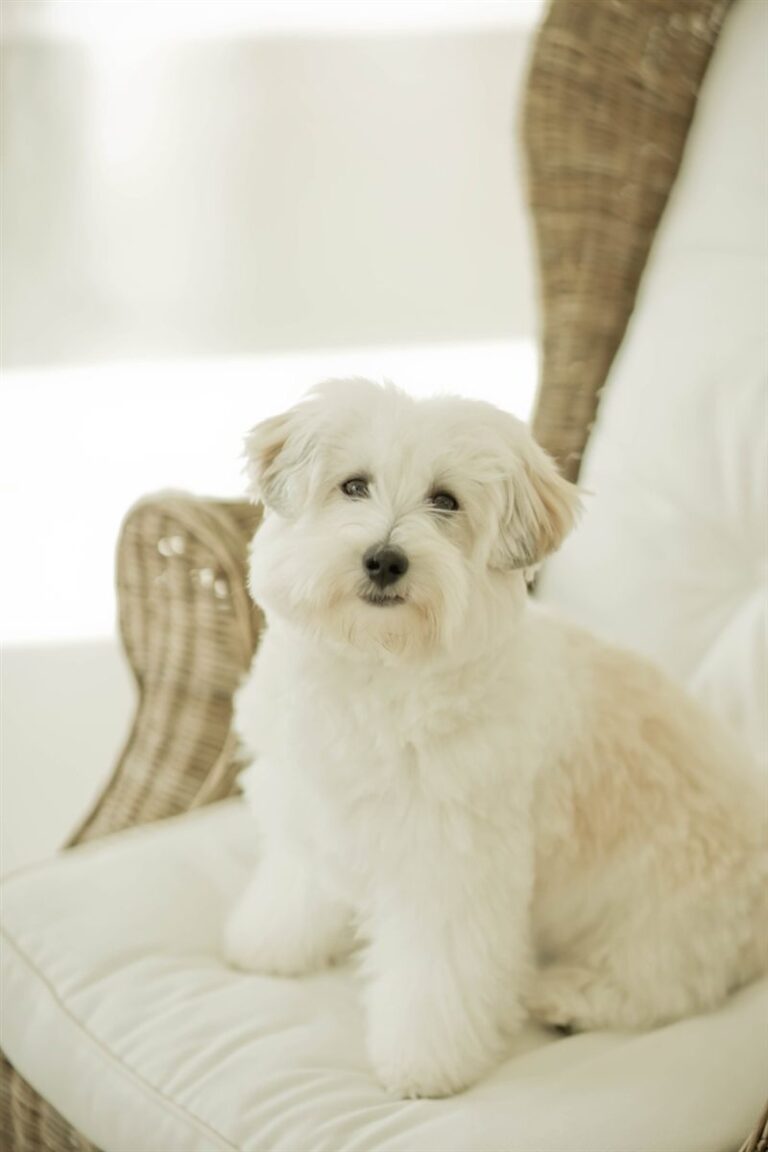
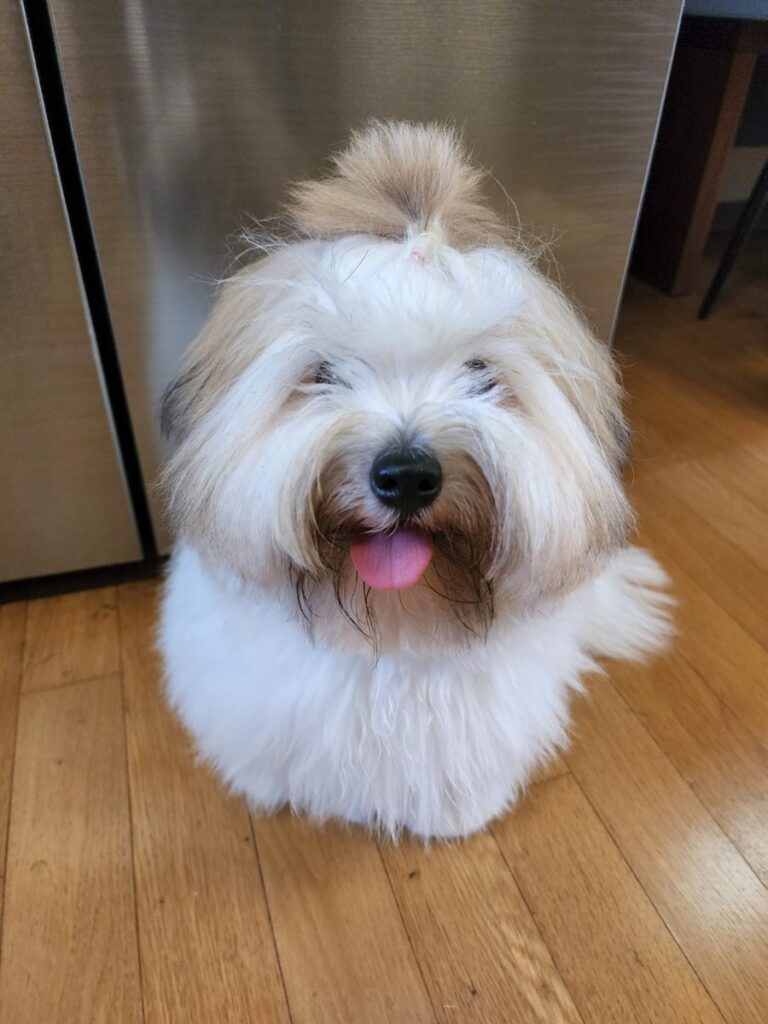
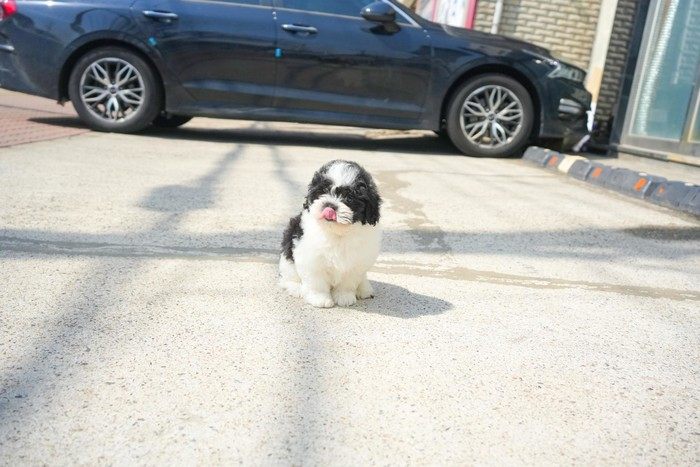
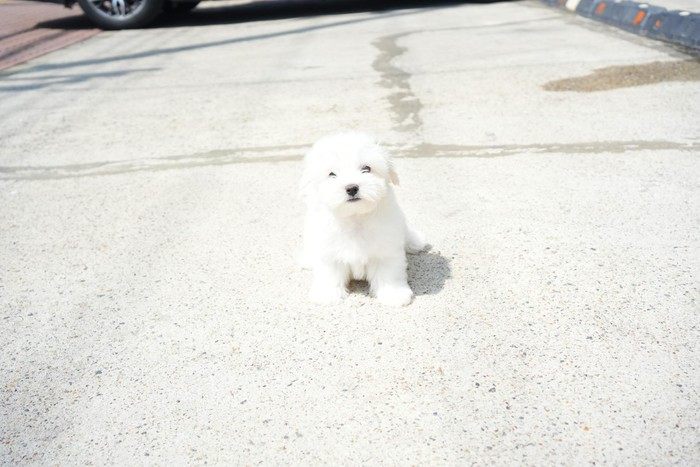
The coat is neither curly like a Bichon’s nor silky-straight like a Maltese’s. It has a light, cotton-like texture that feels airy to the touch. White is the base color; puppies often have light grey or tan markings on the ears or body that usually fade with age.
The body is slightly longer than it is tall, the tail curls over the back, and the round, dark eyes give the breed its bright, cheerful expression.
Temperament: a true people dog
A Coton’s favorite place is right next to its family. Cotons tend to follow their owners from room to room and are usually friendly with visitors. Their playful, sometimes clownish behavior is part of their charm.
- Strengths: affectionate, generally good with children and other pets, intelligent and easy to train, low aggression
- Watch out for: separation anxiety if left alone for long periods; barking when excited or alert
Temperament also depends on socialization and environment, so always meet the individual puppy before deciding.
Is a Coton right for you?
- Households where someone is home for much of the day
- Apartment living (small size, adapts well indoors)
- Owners who can brush the coat regularly
- First-time dog owners (trainable and eager to please)
If the home is empty most of the day, a Coton will struggle without help from family or a pet sitter.
Grooming: preventing mats is everything
Cotons shed little, but their coat tangles easily, especially between about 8 and 12 months of age when the puppy coat changes to the adult coat.
- Brushing: ideally daily, at least 3–4 times a week. Use a pin brush, then finish with a metal comb.
- Bathing: every 2–4 weeks. Dry the coat completely to prevent mats and skin problems.
- Tear stains: wipe around the eyes often, since staining shows easily on white hair.
- Ears and paws: trim hair between the paw pads and check the ears regularly.
- Haircuts: a short “puppy cut” is perfectly fine if daily brushing is difficult.
Note: low shedding does not mean hypoallergenic. If someone in your family has allergies, spend time with the breed before adopting.
Exercise and play
Two walks of 20–30 minutes a day plus indoor play or scent games are usually enough. Cotons are clever and especially enjoy puzzle toys and games that make them think.
Training: praise and treats work best
Cotons are sensitive to their owner’s mood, so positive, reward-based training works best; harsh corrections make them shut down. Practicing short periods alone from puppyhood, gradually increasing the time, helps prevent separation anxiety.
Health: conditions to know about
The Coton is generally considered a healthy breed, but owners should be aware of the following:
- Patellar luxation: a common knee problem in small dogs. Use rugs on slippery floors.
- Eye disease: inherited retinal conditions such as canine multifocal retinopathy have been reported in the breed; ask whether the parents were DNA tested.
- Neonatal ataxia (Bandera’s syndrome): an inherited condition reported in Cotons; a DNA test can identify carriers.
- Hip dysplasia, skin allergies and dental disease: regular check-ups and tooth brushing matter.
Always consult a veterinarian about health decisions.
Coton de Tuléar vs Bichon Frisé vs Maltese
| Coton de Tuléar | Bichon Frisé | Maltese | |
|---|---|---|---|
| Coat texture | Fluffy, cotton-like | Curly | Silky, straight |
| Weight | About 3.5–6 kg | About 5–8 kg | About 3–4 kg |
| Matting | High | High | Moderate |
| Personality | People-oriented, playful | Cheerful, sociable | Affectionate, can be sensitive |
Adoption checklist
- Does everyone in the household agree, and can you commit for 15+ years?
- Can you manage daily brushing and the cost of regular grooming?
- Will the dog be left alone for only short periods?
- Have you checked the parents’ health records and DNA test results?
- Is the puppy old enough, with vaccination records?
- Do you know your local pet registration rules?
How to choose a trustworthy source
- You can meet the puppy (and ideally the parents) in person
- Vaccination and vet records are provided in writing
- The seller is a licensed business
- Avoid sellers who demand prepayment or offer to ship puppies by courier
- Support is available after adoption
Meet our puppies
See available Coton de Tuléar puppies and real photos on the Baebaepuppies adoption page.
Frequently asked questions
Do Cotons shed?
They shed very little, but not zero. Loose hair tends to get caught in the coat rather than falling on the floor, which is why brushing is so important.
Are Cotons good apartment dogs?
Yes. Their small size and indoor-friendly nature suit apartments well. Consider your daily schedule, though, as long periods alone can lead to barking.
Does a Coton puppy’s color change?
Light markings on puppies often fade or disappear as they mature.
How long do Cotons live?
Typically around 14–16 years, and some live longer with good care.